Kigali escalates its war of words with Western partners, warning it will withdraw thousands of soldiers from Cabo Delgado if EU funding lapses and international “vilification” continues. The threat puts a $50 billion gas corridor and the broader stability of northern Mozambique.
Rwanda’s Foreign Affairs Minister Olivier Nduhungirehe issued a stark warning on Saturday: his country will withdraw its counterinsurgency forces from northern Mozambique unless the mission’s international backers secure what he called “sustainable funding.” The threat, posted directly on social media and amplified by senior Rwandan government officials, represents Kigali’s most direct challenge yet to the Western partners it accuses of sanctioning and condemning Rwanda while relying on its military to hold back a jihadist insurgency on their behalf.
The announcement comes at a moment of acute diplomatic pressure on Rwanda. On March 2, the United States imposed sweeping sanctions on the Rwanda Defence Force (RDF) and four of its senior commanders for providing direct support to the M23 rebel coalition in eastern Democratic Republic of Congo. The US State Department followed days later with visa restrictions on additional Rwandan officials. Meanwhile, Bloomberg reported this week that the European Union’s financial support for the Mozambique deployment allocated through the European Peace Facility is set to expire in May with no current plans for renewal.
“It’s not that Rwanda could withdraw. It’s that Rwanda WILL withdraw its troops from Mozambique, if sustainable funding is not secured for its counter-terrorism operations in Cabo Delgado.” X Account— Foreign Affairs Minister Olivier Nduhungirehe, March 14, 2026
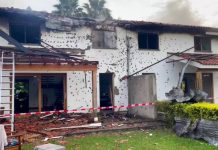
Rwanda first deployed troops to Mozambique’s Cabo Delgado province in July 2021 at Maputo’s direct request, following a devastating 12-day insurgent attack on the coastal town of Palma that killed dozens of security personnel, civilians, and foreign workers, and forced French energy giant TotalEnergies to suspend a $20 billion offshore liquefied natural gas project in the area. The Islamic State-affiliated group, known as Islamic State-Mozambique or locally as Al-Shabaab (unrelated to the Somali group of the same name), had been terrorizing the province since 2017.
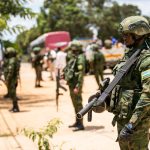
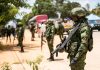
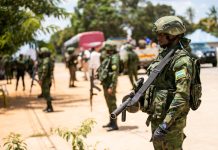
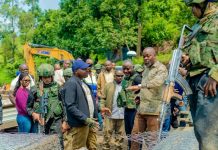
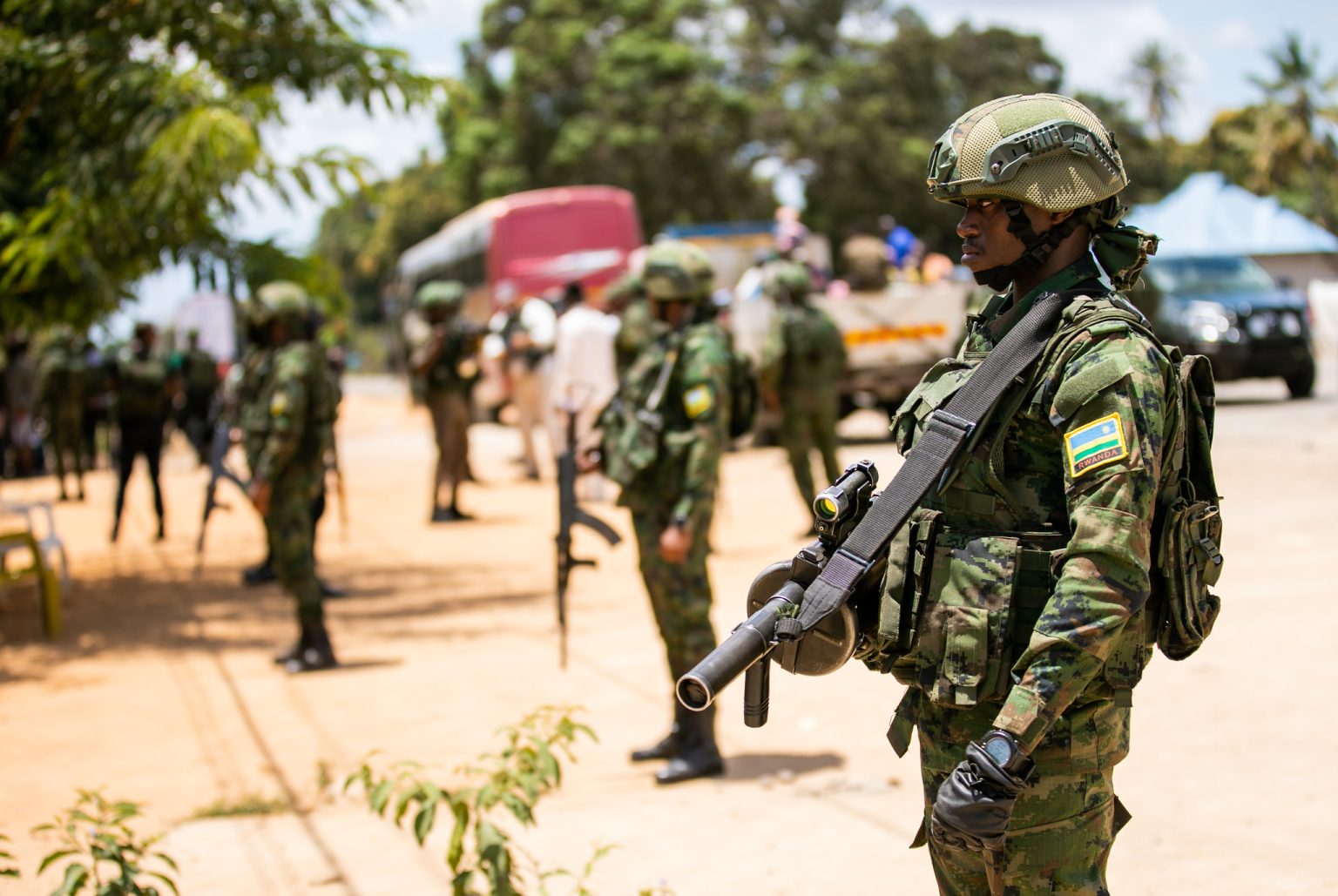
Since then, approximately 4,000 Rwandan troops and police have been deployed across Cabo Delgado, working alongside Mozambican armed forces to push back the insurgency and protect key infrastructure, above all, TotalEnergies’ Afungi construction site, which sits at the heart of a broader $50 billion gas corridor. The security situation has improved considerably since the Rwandan deployment, enough that TotalEnergies and the Mozambican government agreed in January 2026 to resume construction of the LNG project. Maputo sealed a Status of Forces Agreement with Kigali in August last year to formalize continued RDF presence.
The EU has provided around 20 million euros (approximately $23 million) through its European Peace Facility to cover equipment and logistics costs for the RDF in Mozambique. But government spokeswoman Yolande Makolo was blunt about what that figure represents: she said the actual cost of the deployment is at least ten times that amount, meaning Rwanda has been absorbing the overwhelming majority of the mission’s financial burden itself.
The contradiction Rwanda is exploiting is genuine and pointed. The very Western governments that have sanctioned the RDF for its role in eastern Congo, the United States, and to varying degrees the European Union, are also the main funders and political enablers of Rwanda’s counterterrorism mission in Mozambique. That mission directly protects European and American energy investments in Cabo Delgado, as well as the broader stability of a country seen as a key LNG partner for energy-hungry European markets.
Nduhungirehe made that contradiction explicit. Rwandan troops, he argued, were making “the ultimate sacrifice to stabilize this region” and allowing internally displaced Mozambicans to return home, all while being “constantly questioned, vilified, criticized, blamed or sanctioned by the very countries that benefit from our intervention.” Makolo echoed the point, warning that if the RDF Command concluded its work in Cabo Delgado was “not appreciated,” the military leadership would be right to recommend ending the bilateral arrangement entirely.
“Should the RDF Command assess that the work being done by the Rwandan Security Forces in Cabo Delgado is not appreciated, they would be right to urge the government to end this bilateral counter-terrorism arrangement and pull out.” X account— Rwandan Government Spokeswoman Yolande Makolo
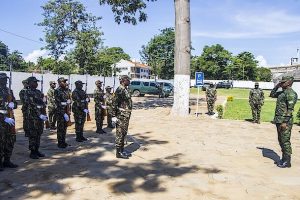
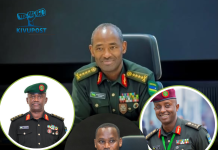
Rwanda’s Chief of Staff, General Vincent Nyakarundi, one of the four named in the US sanctions decree, visited Rwandan troops in Cabo Delgado on February 26, just days before the sanctions were announced, and also met with the commander of the Mozambican Army in Pemba, and traveled to Mocímboa da Praia, the RDF’s headquarters in the province. The timing of his visit underlines how operationally active Rwanda’s military leadership remains in Mozambique even as Washington targets it over Congo.
ALSO READ: US Sanctions Rwanda’s Military Over M23 Support
Kigali has responded to the sanctions with sustained anger. Officials have called them “unjust and one-sided,” arguing that the Congolese government has failed to implement its own obligations under the Washington Accords, particularly the requirement to end state support for the FDLR, the armed group linked to perpetrators of the 1994 Rwandan genocide. Rwanda has always cited the FDLR’s presence in eastern DRC as the root cause of its own military involvement there, a justification rejected by Kinshasa and most Western governments.
The stakes of a Rwandan pullout from Cabo Delgado are difficult to overstate. The insurgency, though weakened, has not been defeated. Islamic State-Mozambique fighters have returned to rural areas of Cabo Delgado even as they have been pushed away from major population centers and infrastructure sites. Rwandan forces have been the backbone of the most effective military operations against the group, and their withdrawal would leave Mozambican security forces, who struggled badly before Rwanda’s arrival, to face the insurgency largely on their own.
The economic dimension is equally acute. TotalEnergies’ resumed LNG project in Afungi is the centerpiece of Mozambique’s development strategy and a key element of European energy diversification plans. The project depends directly on the security perimeter that Rwandan troops maintain around the construction site. Were that perimeter to collapse, it is unclear whether TotalEnergies, which suspended the project once before in 2021, would risk continuing operations.
The EU has not yet commented on whether it plans to renew the European Peace Facility funding that expires in May. Rwanda’s foreign ministry has set no explicit deadline, but the language from both Nduhungirehe and Makolo has moved decisively from conditional to categorical. In Kigali’s telling, the withdrawal is no longer a possibility; it is a certainty, contingent only on what the international community decides to do next.