




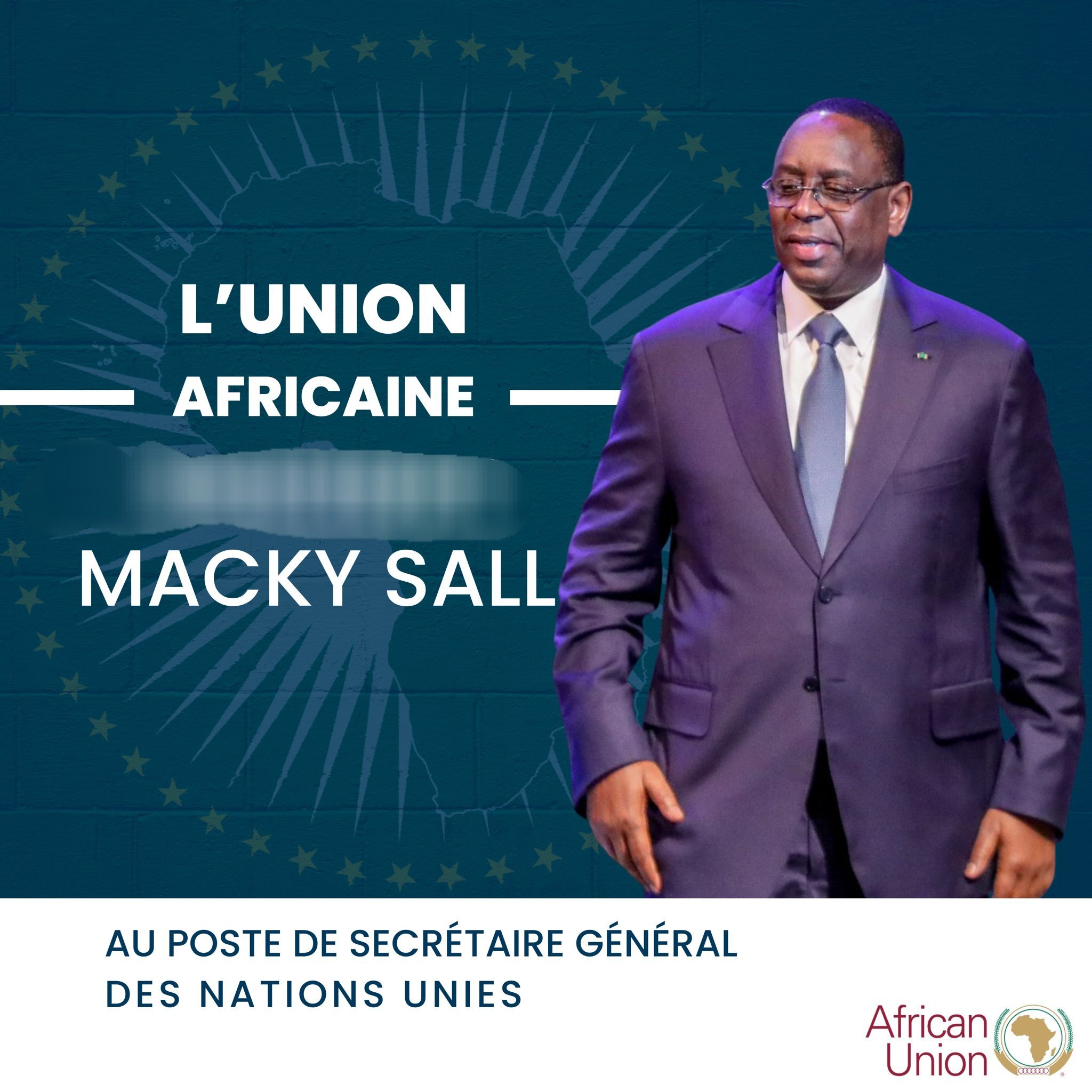
The African Union has declined to endorse the candidacy of former Senegalese President Macky Sall for the UN’s top post, dealing a significant diplomatic blow to the ex-head of state and depriving his bid of the continental backing widely seen as essential to any serious run at the position.
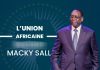
ADDIS ABABA — The African Union (AU) has decided not to endorse the candidacy of former Senegalese President Macky Sall for the post of United Nations Secretary-General. The decision dealt a serious diplomatic setback to the ex-head of state, stripping his bid of the continental backing that would have been pivotal in his pursuit of the most influential office in the global multilateral system.
The AU’s refusal comes at a moment when Africa, which accounts for more than a quarter of the UN’s member states, is actively pushing for greater weight in global governance. Yet paradoxically, the continent continues to struggle to unite behind a single candidate when such an opportunity arises, exposing the internal fractures and sub-regional rivalries that run through the pan-African organisation.
“Without AU backing, Macky Sall’s candidacy loses much of its credibility on the international stage.” Stated the African Diplomatic Observer
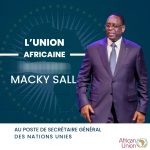
Macky Sall, who led Senegal from 2012 to 2024 and served as rotating AU chairperson in 2022–2023, had positioned himself as a natural candidate to succeed António Guterres, whose second term at the helm of the UN expires in December 2026. Drawing on his experience leading the continental organisation and his extensive diplomatic networks, the former president had been counting on an African stamp of approval to launch a credible global campaign.
ALSO READ: RDC’s Juliana Lumumba Vs. Rwanda’s Mushikiwabo for OIF Post
But the AU, in its internal deliberations, chose not to formalise that support. According to sources familiar with the matter, disagreements among member states over the ideal profile for an African candidate, combined with reservations about Macky Sall’s political record in Senegal, notably the tensions surrounding the end of his presidency and the transition to his successor, Bassirou Diomaye Faye, complicated the emergence of any consensus.
The decision highlights the structural difficulties the African Union faces in forging a common position on questions of international representation. The organisation brings together 55 states with often divergent interests, making consensus hard to achieve, particularly when national or sub-regional ambitions compete with one another. Several other African countries are also reported to have expressed interest in fielding their own candidates for the UN’s top post.
Africa’s representation at the head of major multilateral institutions has long been a recurring grievance for the continent. No African has served as UN Secretary-General since Boutros Boutros-Ghali, who held the post from 1992 to 1996. In the three decades since, despite Africa’s demographic weight and its significant bloc of votes in the General Assembly, the continent has remained absent from the organisation’s highest office.
For Macky Sall, the absence of continental support is more than a symbolic blow. In the logic of UN Secretary-General candidacies, the regional bloc provides the foundational layer of credibility from which a candidate builds broader international support. Without a clear African mandate, it will be considerably harder for him to persuade the permanent members of the Security Council, some of whom hold effective veto power over the final selection, to back his candidacy.
Some analysts suggest Sall could still attempt to pursue his candidacy by securing bilateral support from influential member states, effectively bypassing the AU’s institutional machinery. Such a strategy, while risky, is not without precedent in the history of UN leadership races. Whether the former president has the political capital and diplomatic resources to overcome this considerable obstacle remains to be seen.
The post of UN Secretary-General will be vacated when António Guterres’s second term concludes on 31 December 2026. The competition to succeed him is already shaping up to be intense, with several regions of the world arguing it is their turn to lead the organisation. While an informal convention suggests regional rotation, no rule formally enshrines it, and the major powers retain decisive influence over the outcome of the selection process.
In this context, the AU’s decision does not necessarily close the door on an African candidacy for the post, but it redraws the terms of the competition. Other African figures may yet emerge in the months ahead, carrying the continent’s aspirations onto the UN stage this time, with the institutional backing that is currently absent from Macky Sall’s bid.