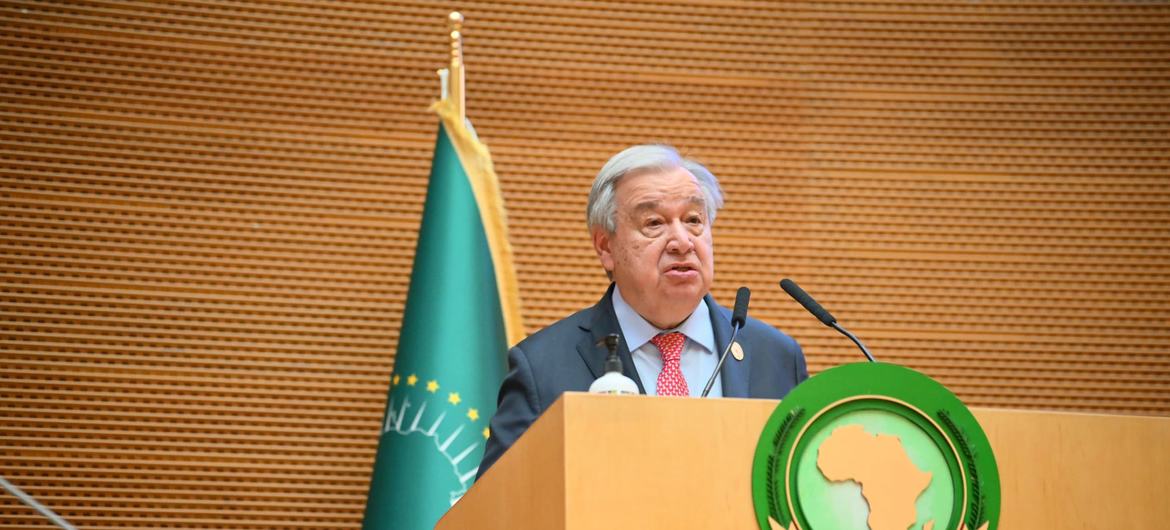
Addis Ababa, 14 February 2026; Speaking before heads of state at the 39th Ordinary Session of the African Union Summit in Addis Ababa, Ethiopia, United Nations Secretary-General António Guterres delivered a pointed message on the deteriorating security situation in the Democratic Republic of the Congo and the broader Great Lakes region, calling on all parties to honour their commitments without further delay.
Addressing the crisis in the DRC as part of his broader peace agenda for the continent, Guterres stated that “commitments must be honoured starting with an immediate ceasefire and the respect of the territorial integrity of the DRC.” The appeal was direct and unambiguous: the UN chief placed the DRC at the centre of his peace priorities for Africa, framing the crisis not merely as a regional security concern but as a test of whether internationally agreed obligations can be upheld.
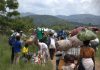
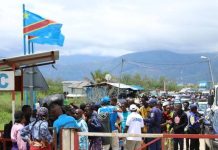
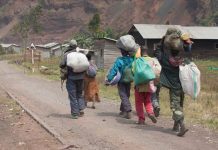
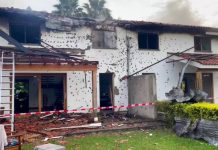
The statement comes against the backdrop of a dramatic deterioration in eastern DRC, where the M23 rebel movement, widely reported to receive backing from Rwanda, has made significant territorial advances in recent months, including the seizure of Goma, the largest city in the east, in late January 2026. The conflict has triggered mass displacement and a deepening humanitarian catastrophe, making it one of the most acute crises on the African continent today.
Guterres positioned his call on the DRC within a wider sweep of African conflicts requiring urgent attention. He called for an immediate cessation of hostilities in Sudan and renewed political dialogue in South Sudan, while also stressing the need to consolidate political and security gains in the Central African Republic and advance a Libyan-led political process in Libya.
By placing the DRC alongside Sudan, South Sudan, the CAR, Libya, and the Sahel in his peace section, Guterres effectively sent a signal that the Great Lakes crisis is not an isolated emergency but part of a broader pattern of instability that the international community — and the African Union in particular must address in a coordinated and sustained manner.
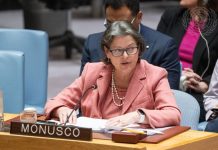
The Secretary-General also used the summit to address a structural challenge facing international peace efforts across the region. He announced that the UN is reviewing peace operations to ensure that mandates are realistic, properly sequenced, well-resourced, and supported by clear transition strategies. This review carries direct implications for the Great Lakes region, where the UN’s peacekeeping mission in the DRC, MONUSCO, has been engaged in a controversial and contested drawdown process even as violence has escalated.
At the same time, Guterres expressed frustration at the failure to secure sustainable funding for African Union-led peace missions. He expressed regret at the Security Council’s lack of consensus for financing the AU Support and Stabilization Mission in Somalia through assessed contributions, asking pointedly: “If the Mission of the AU in Somalia did not warrant global support, what would?” While that remark referred specifically to Somalia, its implications resonate across the continent, including for any future AU-led security response in the Great Lakes region.
Guterres’s remarks on the DRC were embedded in a speech that broadly called for a reformed, more equitable international order. He condemned the absence of permanent African seats on the UN Security Council as indefensible, declaring that Africa must be present when decisions about Africa and about the world are being made. That institutional argument has direct relevance to the DRC crisis: the Security Council’s divisions have repeatedly hampered decisive international action in eastern Congo, including disagreements over sanctions, the arms embargo, and peacekeeping mandates.
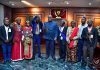
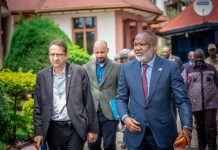
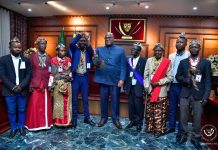
The Secretary General also held a bilateral meeting on the sidelines of the summit with DRC President Félix Tshisekedi, underscoring the personal diplomatic engagement accompanying his public statements.
In sum, Guterres’ message on the DRC and the Great Lakes at the 39th AU Summit was precise and unequivocal: commitments already made must be implemented, a ceasefire must be achieved immediately, and the sovereignty and territorial integrity of the DRC must be respected. Coming from the world’s top diplomat at one of Africa’s most prominent multilateral forums, the statement was as much a warning to those fuelling the conflict as it was an appeal to the international community to take the crisis seriously before it spirals further out of control.
Sources: UN Secretary-General’s official remarks at the 39th African Union Summit, Addis Ababa, 14 February 2026 (un.org).