
After years of denials, Rwanda has publicly acknowledged “security coordination” with the AFC/M23 rebel group. For civilians in North and South Kivu and those who have lived through decades of violence, displacement, and broken promises, this admission changes everything and nothing at all.
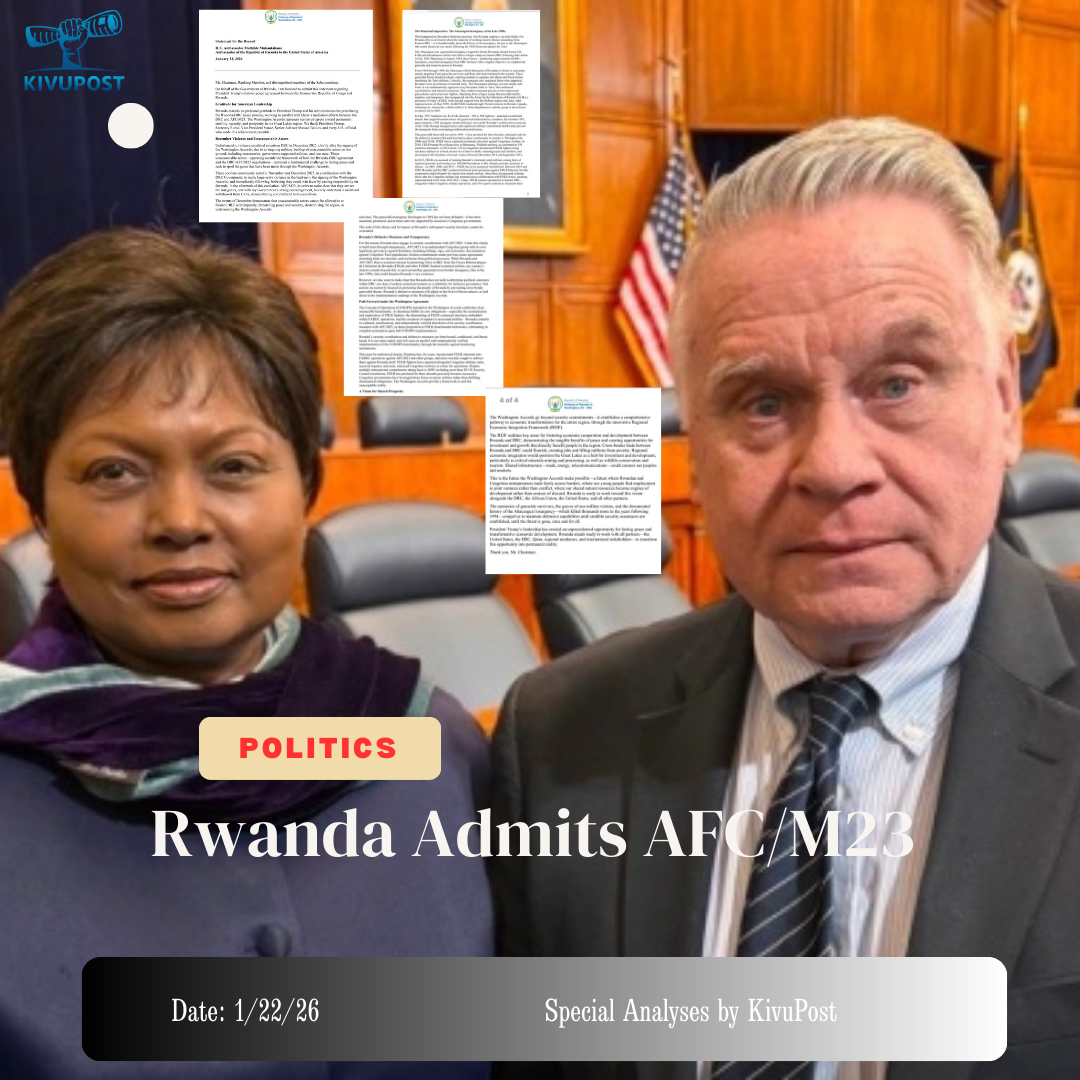
Full Statement: Rwanda’s Ambassador to the United States, Mathilde Mukantabana.
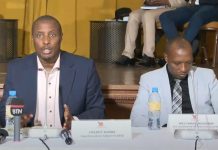
On January 22, 2026, just after the testimony in the U.S. House Foreign Affairs Subcommittee on Africa, Rwanda’s Ambassador to the United States, Mathilde Mukantabana, made a statement that shattered years of diplomatic denial.
“Rwanda does engage in security coordination with AFC/M23,” she declared. “I state this clearly to build trust through transparency.”
The ambassador framed this coordination as defensive measures against the Democratic Forces for the Liberation of Rwanda (FDLR), a Hutu militia Rwanda describes as a continuing genocidal threat. She emphasized that M23 is “an independent Congolese group” with its own grievances, while acknowledging shared interests in protecting Tutsi populations in eastern DRC.
For diplomatic observers, this was significant. For years, despite overwhelming evidence from UN experts documenting Rwandan troops fighting alongside M23, weapons shipments, and command structures, Kigali maintained plausible deniability. Rwanda’s official position had been that its military presence in Congolese territory constituted purely “defensive measures” against FDLR, with no formal relationship to M23.
Now, that fiction has ended.
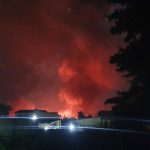
This admission comes at a particularly brutal moment. In January 2025, M23, with what UN experts and international observers describe as direct Rwandan military support, launched major offensives toward Goma and Bukavu, the provincial capitals of North and South Kivu. The fighting has killed at least 2,900 people and displaced over 500,000 in just weeks.
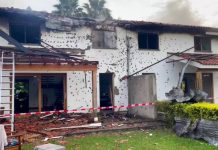
Shops are being looted. Hospitals overflow with casualties, many of them civilians. UN peacekeepers, including soldiers from Southern African Development Community nations, have been killed. Heavy weapons fire lands in residential neighborhoods.
And then comes the verbal acknowledgment of what everyone already knew to be true.
For civilians who have endured this conflict, the admission validates what they have lived through but offers no material comfort.
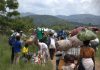
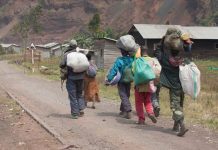
A displaced mother in a camp outside Goma doesn’t need Rwanda to admit coordination with M23 to know that her village was shelled, that her children went hungry on the roadside as they fled, that returning home remains impossible. The admission doesn’t rebuild her house. It doesn’t bring back lost family members. It doesn’t guarantee her safety tomorrow.
What it does do is eliminate one more layer of gaslighting. For years, when civilians reported seeing Rwandan troops or sophisticated weaponry beyond M23’s apparent capacity, these accounts were dismissed as unreliable, exaggerated, or politically motivated. Now, Rwanda itself acknowledges the relationship—though carefully framed as “coordination” rather than control, as defensive necessity rather than territorial ambition.
The Great Lakes region has seen countless peace agreements, ceasefires, and negotiated frameworks. Each one promised stability. Each one failed to deliver lasting peace.
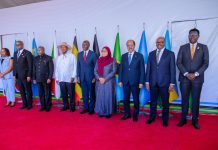
Rwanda’s acknowledgment of M23 coordination, framed explicitly within the context of the “Washington Accords” peace agreement, arrives alongside renewed violence. The message civilians receive is clear: formal diplomatic processes take place in conference rooms in Washington, Luanda, or Doha, while the reality on the ground remains unchanged or worsens.
Why should anyone in Goma believe this peace agreement will be different from the ones signed in 2009, 2013, or 2024? Why should Congolese trust that Rwanda’s stated commitment to “phased, simultaneous, and independently verified drawdown” will materialize when previous commitments, backed by multiple UN Security Council resolutions over decades, produced no meaningful change?
The admission of coordination doesn’t inspire confidence in peaceful resolution; it deepens the cynicism born from watching diplomats shake hands while artillery shells fall on your neighborhood.
Rwanda’s justification centers on protecting Congolese Tutsi populations from FDLR and other threats. Ambassador Mukantabana invoked the 1994 genocide and subsequent Abacengezi insurgency to explain why Rwanda maintains “defensive capabilities” across the border.
For Congolese Tutsi communities and Banyamulenge, this creates an impossible position. They are Congolese citizens who have faced discrimination, violence, and political exclusion, real grievances that M23 claims to address. But when Rwanda frames military intervention as protection of Tutsi populations, it transforms ethnic identity into a geopolitical weapon.
Congolese Tutsis become perpetually suspected of disloyalty to the Congolese state, accused of being a fifth column for Rwandan interests. Anti-Tutsi violence increases. After M23 withdrew from Uvira in mid-January, reports emerged of Wazalendo militias (pro-government forces) looting homes belonging to Banyamulenge residents.
Meanwhile, other Congolese ethnic groups, such asHutu, Nande, Hunde, and others in the Kivus, watch their provinces become battlegrounds in conflicts they didn’t choose, displaced by fighting justified in the name of protecting a minority they live alongside.
Rwanda’s admission makes explicit what was always implicit: this is framed as an ethnic protection mission, which means ethnic identity itself becomes militarized, scrutinized, and weaponized against ordinary people trying to live their lives.
The elephant in the room, one that Ambassador Mukantabana’s statement carefully avoided, is minerals. Eastern DRC contains vast deposits of coltan, cobalt, gold, and other minerals essential to global technology supply chains.
UN experts have documented for years that M23-controlled territories secure Rwanda’s access to mineral-rich areas. The July 2025 UN Group of Experts report stated explicitly that “AFC/M23’s control over eastern DRC secured Rwanda’s access to mineral-rich territories and fertile land.”
For civilians, this means their suffering has an economic dimension beyond local grievances. Armed groups control mining sites. Minerals are smuggled across borders. Revenues fund continued conflict rather than community development.
A farmer whose land happens to sit near a coltan deposit has no say when armed groups seize the area. A young person in Goma faces limited economic opportunities because investment flees conflict zones, while the minerals beneath their feet enrich others.
Rwanda’s admission of M23 coordination, while emphasizing security justifications, says nothing about the economic dimensions that UN investigators and civil society organizations have painstakingly documented. That silence speaks volumes.
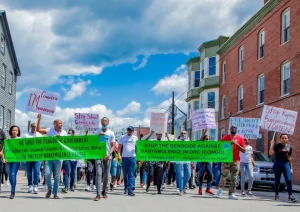
For Congolese from the Kivus now living in Kampala, Nairobi, Brussels, the United States, Australia, or Montreal, this admission brings particular pain.
Many fled the very violence Rwanda now officially acknowledges helping coordinate. They send remittances home to family members living in camps or struggling in occupied territories. They organize advocacy efforts that mainstream media largely ignores. They argue with relatives and community members about who to blame, what solutions might work, and whether returning home will ever be safe.
Rwanda’s public acknowledgment doesn’t resolve these debates; it intensifies them. Some diaspora members may see vindication: “See, we told you Rwanda was directly involved.” Others may be more conflicted, particularly the Congolese Tutsi and Banyamulenge diaspora who face complicated questions about whether Rwanda’s stated protective role helps or harms Congolese Tutsi communities in the long term.
What unites much of the diaspora is a sense of exhaustion. Another statement. Another admission. Another peace framework. And people keep dying.
Rwanda’s public admission of coordination with M23 ends one deception but begins no obvious path toward peace. For civilians in the Kivus, it’s a symbolic shift in a conflict defined by very material realities: bullets, displacement, hunger, fear.
The truth has been spoken in Washington. But truth without justice, acknowledgment without accountability, transparency without transformation, these change very little for a mother fleeing Goma with children in tow, for a farmer whose fields have become battlegrounds, for a young person whose future has been consumed by a conflict they didn’t choose.
The people of North and South Kivu deserve more than admissions. They deserve peace. They deserve to go home. They deserve to live without fear.
Until that happens, Rwanda’s statement, however, historically significant for the diplomatic record, remains just words floating above the suffering that continues on the ground.
KIVUPOST.COM is committed to truth-telling about the Great Lakes Region. We exist to document what is happening to our communities, to demand accountability from all actors, local, regional, and international, and to keep alive the hope that genuine peace is possible.
This analysis represents KIVUPOST’s editorial position and is based on verified reporting from multiple sources, including UN documents, diplomatic statements, eyewitness accounts, and established reporting on the conflict.