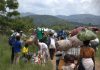
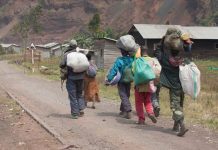
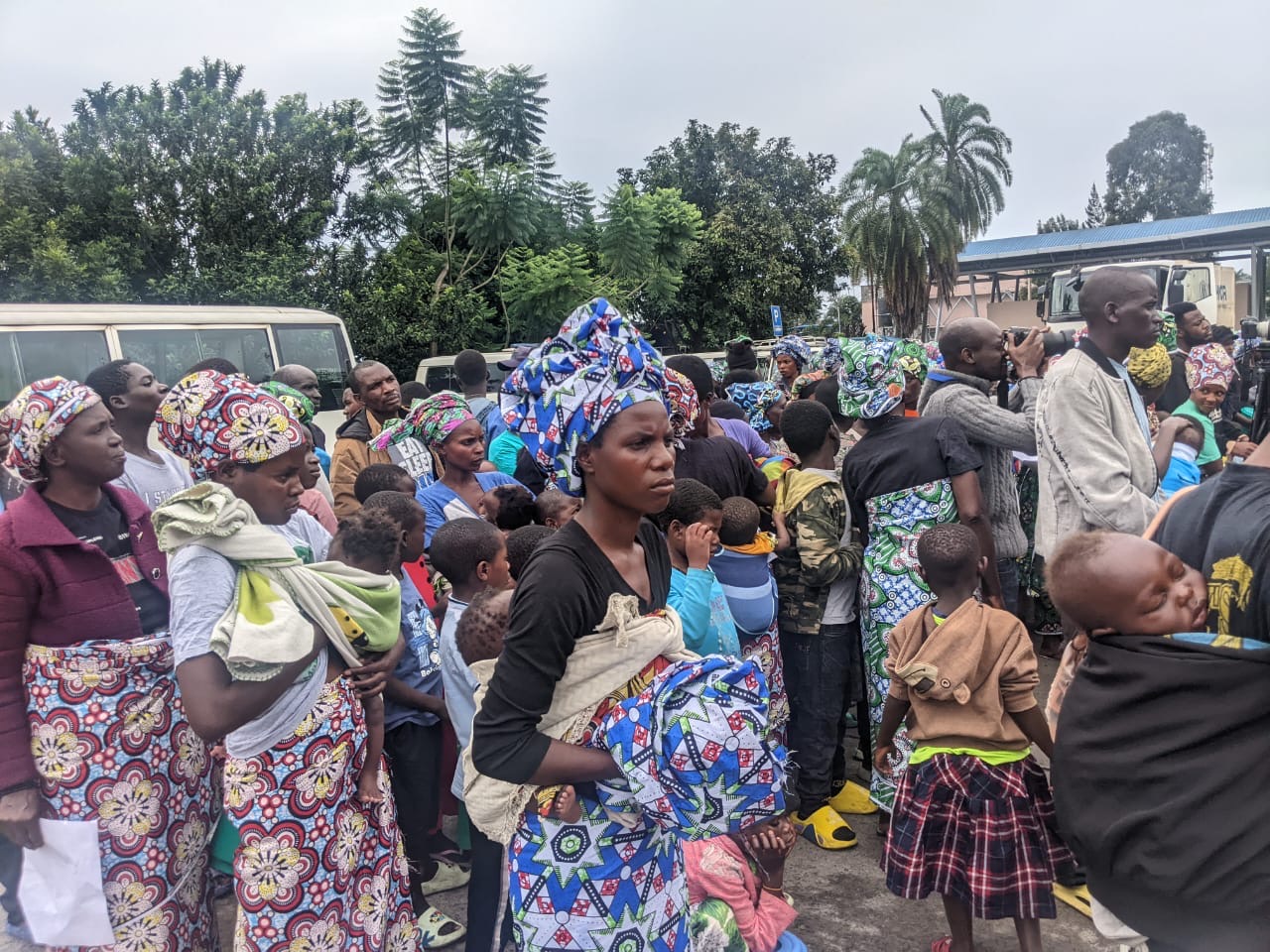
Rwandan nationals who have voluntarily returned home from eastern DR Congo since January 2025 have now surpassed 7,000, according to officials from Rwanda’s Ministry of Emergency Management (MINEMA).
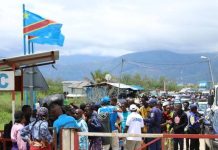
The returnees include the latest group of 324 returnees who arrived on Thursday, February 19, crossing into Rwanda with support from the United Nations High Commissioner for Refugees (UNHCR), facilitating the repatriation process.
The increasing number of returnees follows the capture of Goma town, the capital of North Kivu Province, along with other parts of South Kivu Province, by the AFC/M23 rebels in late January 2025.
Call for others to return
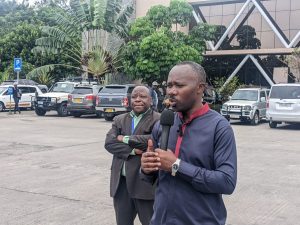
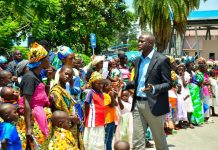
The Mayor of Rubavu District, Prosper Mulindwa, who welcomed the new arrivals on behalf of the Government of Rwanda, encouraged other Rwandan nationals still living in conflict-affected areas of the eastern DR Congo jungle to return home.
“I encourage all of you to use your phones and other communication channels to tell your families and colleagues you left behind in the jungles also to come back home,” Mulindwa said in his welcoming speech.
Mulindwa emphasized that “time is running out,” noting that many people continue to endure difficult living conditions due to ongoing conflicts in eastern Congo. At the same time, their country offers growing opportunities and improved livelihoods.
He added, “There is no reason for Rwandans to remain refugees. You can choose anytime to work or live wherever you want—by obtaining travel documents.”
Returnees share their Stories
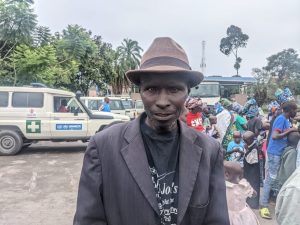
Joseph Sebigori, 70, a father of four, said he had struggled in Masisi Territory in eastern DR Congo since 1998. He returned to his home, formerly known as Ruhengeri, now part of Musanze District in the Northern Province.
“I fled because of fear of bullets,” Sebigori told journalists after crossing the border. “We kept moving around in parts of Congo, hoping for a better life, but things did not work out.”
Alice Mukamulisa, 65, who’s also another returnee, said life in the jungles had become unbearable, thanks to AFC/M23, who provided the safe passage. “We were tired of living a miserable life, that’s why we decided to return home,” she said.
Many of the returnees—mainly women and children—were born in DR Congo to parents who fled Rwanda in 1994. For them, the journey back marks the end of years of living in fear and insecurity caused by FDLR and other militias like Wazalendo.
“I was a farmer. We heard bullets and just left the country. But I felt overjoyed after crossing the border and stepping back into Rwanda,” added Polina Uwambajimana, 55, also from Masisi Territory, who fled Rwanda during 1994.
UNHCR praises repatriation process
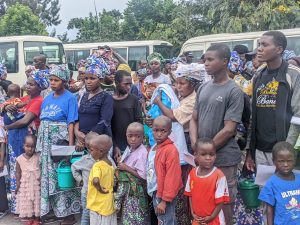
According to the United Nations High Commissioner for Refugees Representative in Rwanda, Ritu Shroff, the ongoing repatriation of Rwandan nationals from the Democratic Republic of Congo is “a wonderful thing” and “going very well”.
“It is a wonderful thing to see Rwandans coming home,” Ritu said in her recent visit at the Grande Barrière border post between Goma and Rubavu towns.
“Some of the returnees have never been to Rwanda; they’re coming to build their lives, their families, and their country.”
https://x.com/KivuPost_DRC/status/2024431555049816555?s=20
Figures from Rwanda’s emergency ministry show that approximately 3.5 million Rwandans have been repatriated from DR Congo over the past three decades, while Rwanda continues to host more than 100,000 Congolese refugees.
Meanwhile, efforts to repatriate Congolese refugees to DR Congo have yet to yield significant progress, despite agreements signed between the two countries on July 24 in Addis Ababa, Ethiopia.