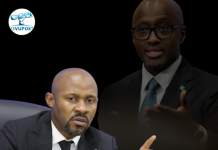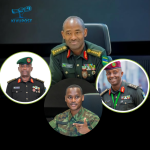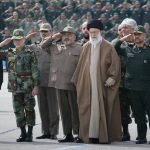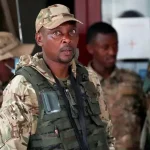



Washington says RDF troops, drones, and weapons are fuelling rebel offensives in violation of the Washington Accords signed in December
Source: US Department of the Treasury (OFAC Press Release)
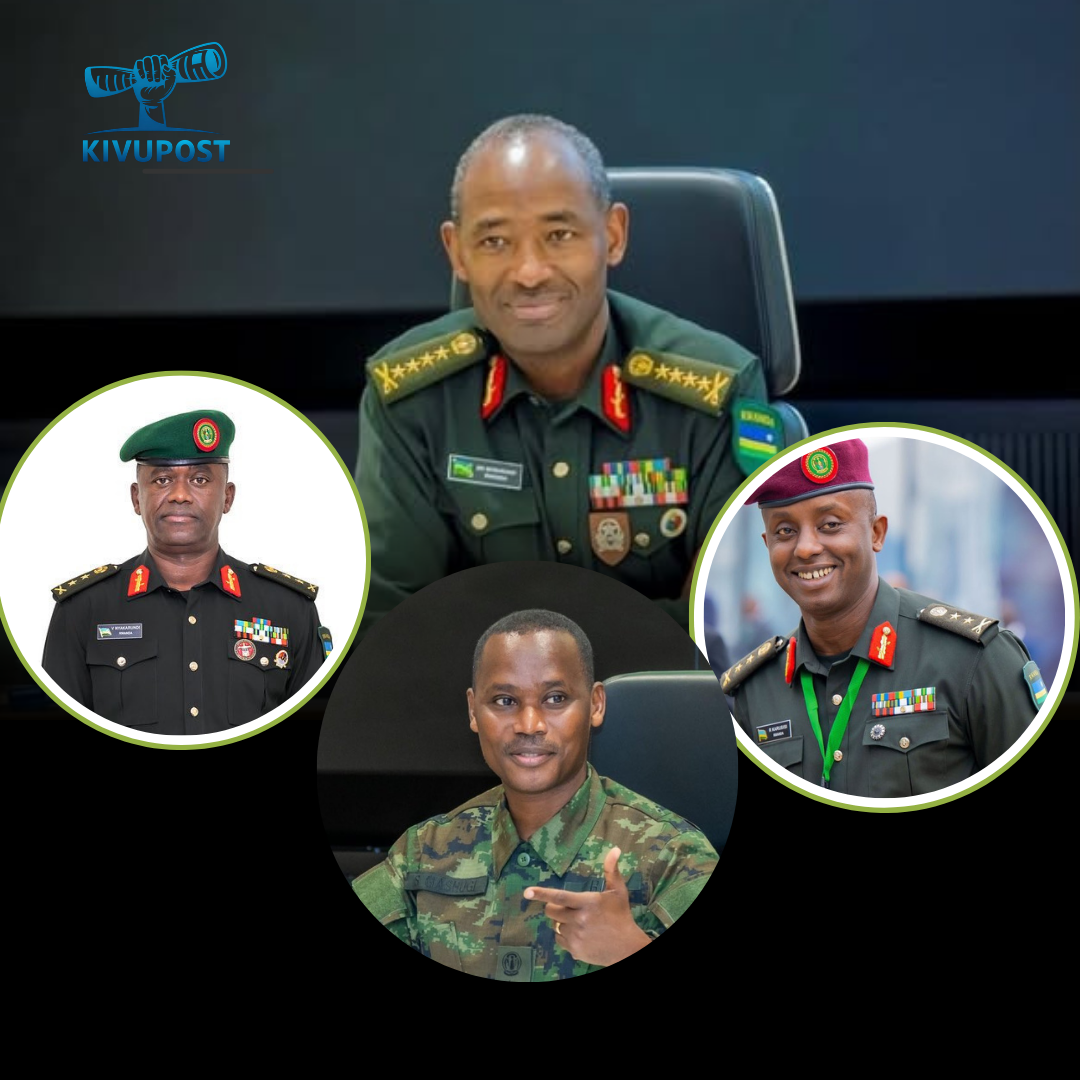
WASHINGTON / KIGALI — The United States on Monday imposed sweeping sanctions on Rwanda’s Defence Force (RDF) as an institution and four of its most senior military officials, accusing the Rwandan military of actively supporting, training, and fighting alongside the March 23 Movement (M23) in eastern Democratic Republic of Congo in direct violation of the Washington Accords signed just months ago.
The measures, announced by the US Treasury Department’s Office of Foreign Assets Control (OFAC), mark one of the most confrontations Washington has had with Kigali over the ongoing conflict in the Kivus, and come as fighting continues on several fronts across eastern Congo.
The Officials Named
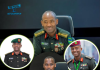
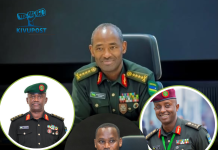
The four RDF officers sanctioned are among the most senior figures in Rwanda’s military command structure. They are:
Major General Vincent Nyakarundi — Army Chief of Staff
Major General Ruki Karusisi — Commander, 5th Infantry Division
General Mubarakh Muganga — Chief of Defence Staff
Brigadier General Stanislas Gashugi — Special Operations Force Commander
All four were designated under Executive Order 13413, as amended, for threatening the peace and stability of the DRC and for materially supporting M23, a group already under both U.S. and United Nations sanctions since 2013.
ALSO READ: DRC-US Military Cooperation Agreement
What the Treasury Said
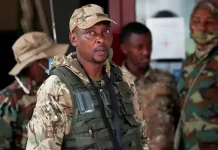
In its press release, Treasury accused the RDF of deploying thousands of troops across eastern DRC, where they actively participate in combat operations. It further alleged that Rwanda’s military introduced advanced weapons systems to the battlefield, including GPS jamming systems, air defence equipment, and armed drones, and provided training and recruitment support to M23 fighters at RDF military centres, including the recruitment of refugees.
Treasury Secretary Scott Bessent was unambiguous in his statement: “President Trump is the Peace President, and Treasury will use all tools at its disposal to ensure that the parties to the Washington Accords uphold their obligations. We expect the immediate withdrawal of the Rwanda Defence Force troops, weapons, and equipment.”
The Treasury also accused Rwanda of gaining access to mineral-rich areas of eastern DRC in exchange for its support of M23, with those revenues allegedly helping to finance M23’s armed rebellion.
What the Sanctions Mean in Practice
Under the sanctions, all property and financial assets belonging to the RDF and the four named officers that are held within the United States or under the control of U.S. persons are immediately frozen. Americans are barred from conducting any transactions with the sanctioned parties without a specific licence from OFAC. Any entity that is 50 percent or more owned by the designated individuals also falls under these restrictions.
Violations carry both civil and criminal penalties, and financial institutions worldwide risk secondary sanctions for facilitating prohibited transactions. OFAC enforces these measures on a strict liability basis.
Rwanda Pushes Back
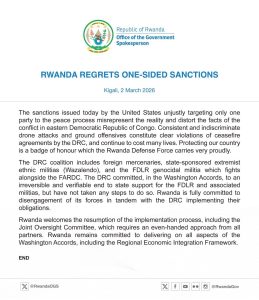
Rwanda rejected the measures, saying the sanctions were “unjustly targeting only one party” and that the move “misrepresents the reality and distorts the facts of the conflict.” Kigali has long maintained that its presence in the region is a defensive necessity against the Democratic Forces for the Liberation of Rwanda (FDLR), a Hutu militia formed from remnants of those who carried out the 1994 genocide, and has consistently denied direct military involvement in M23 operations, despite extensive documentation to the contrary by United Nations investigators.
Earlier this year, Rwanda’s ambassador to the United States, Mathilde Mukantabana, acknowledged before a U.S. House committee that there was “security coordination” between Kigali and M23. However, she characterised it as focused on “defensive measures.”
A Rebuke With Wider Implications
Monday’s move is particularly striking given how recently the Trump administration had celebrated the Washington Accords as a foreign policy triumph. The decision to sanction a longstanding U.S. partner in Africa signals Washington’s frustration with ongoing violence and its commitment to leveraging economic pressure to force compliance with the peace framework.
The U.S. also joined the International Contact Group for the Great Lakes in issuing a joint condemnation of M23 and RDF military operations, calling on Rwanda to withdraw its forces from Congolese territory. Senate Foreign Relations Committee Chairman Jim Risch called for an immediate halt to advances, while also urging the Congolese government to abandon what he called “a purely military solution.”
Peace negotiations between the DRC government and M23 are ongoing, mediated by Qatar and the United States. Despite M23’s reported withdrawal from Uvira, U.S. officials warned that the group’s continued presence near the Burundi border and ongoing RDF support carry the risk of escalating the conflict into a broader regional war.