









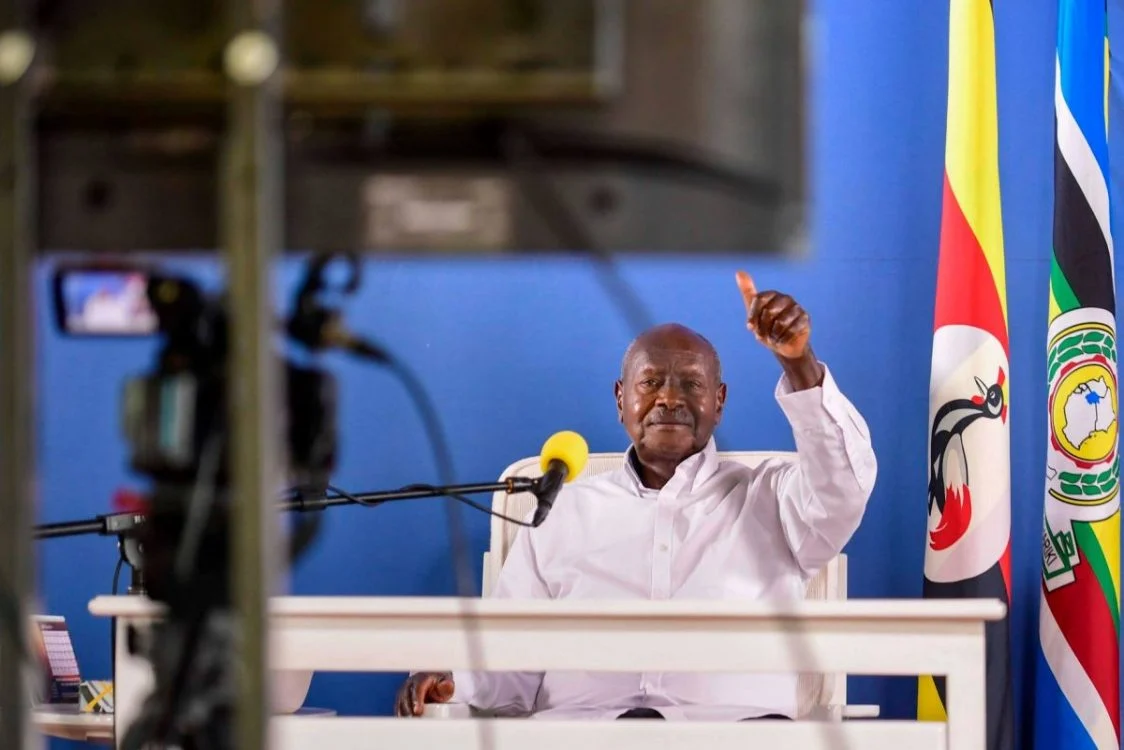
Kampala’s new visa exemption policy, which notably excludes the United States and the European Union, covers African neighbors, Caribbean island nations, and Commonwealth partners and signals a deliberate pivot in Uganda’s diplomatic and economic posture.
Uganda has announced visa-free entry for nationals of 40 countries, in a move the government says is designed to strengthen regional integration, boost tourism, and deepen economic and diplomatic ties across Africa and the broader developing world. The policy, announced this week by the Ministry of Internal Affairs and implemented by the Directorate of Citizenship and Immigration Control, allows eligible travelers to enter Uganda for stays of up to three months without obtaining a visa in advance.
The announcement, shared on the Government of Uganda’s official social media channels, was accompanied by a formal notice listing all designated countries. The policy covers a broad geographic spread from East African neighbors to Caribbean island states, Pacific nations, and select Commonwealth partners, but conspicuously omits the United States and European Union member states, a detail analysts say reflects shifting diplomatic winds.
“This new decision facilitates travel and reflects Uganda’s continued commitment to promoting regional cooperation, tourism, trade, and people-to-people ties.”— Government of Uganda, official statement, March 11, 2026
The visa-free designation covers a wide range of nations. African countries on the list include Kenya, Tanzania, Rwanda, Burundi, South Sudan, Ghana, Gambia, Eritrea, Comoros, Botswana, Lesotho, Madagascar, Malawi, Mauritius, Mozambique, Seychelles, Sierra Leone, Eswatini, Zambia, Zimbabwe, and the Democratic Republic of Congo, a neighbor of particular relevance to Kivu Post readers. The DRC’s inclusion is significant given the deep commercial and familial ties between the two countries, and may facilitate easier movement for Congolese traders and travelers who previously navigated a more burdensome visa process.

Beyond Africa, the exemption extends to several Caribbean nations, including Antigua and Barbuda, the Bahamas, Barbados, Belize, Grenada, and Jamaica, as well as Pacific island states such as Fiji. Ireland, alone among European nations, is included on the list, though travelers must complete a free online authorization process before departure. Uganda’s immigration authorities clarified that holders of Conventional Travel Documents, including refugees from visa-exempt countries, are also covered by the exemption, a provision with meaningful implications for displaced populations across the region.
Ugandan authorities have been careful to stress that visa-free does not mean entry-free. Simon Mundeyi, spokesperson for the Directorate of Citizenship and Immigration Control, said travelers from designated countries must still present a valid passport with at least six months of remaining validity, a return or onward travel ticket, and proof of accommodation such as a confirmed hotel booking. Immigration officers at all entry points retain the authority to determine the length of stay permitted, which typically ranges from one week to three months, depending on the traveler’s purpose and documentation.
ALSO READ: Kagame at Paris Nuclear Summit, Power Africa or Fall Behind
The Ministry of Internal Affairs issued a parallel reminder to Ugandan citizens traveling abroad: the country’s own reciprocal visa-free access to 40 international destinations similarly does not suspend immigration requirements at those borders. Travelers must still carry proper documentation regardless of visa status.
The exclusion of the United States from the visa-free list carries a broader diplomatic context. In January 2026, Washington imposed stringent new visa requirements on Ugandan nationals seeking B1/B2 visitor visas, including a refundable $15,000 bond, a reduced validity period of three months, and restrictions on multiple-entry access. The measures were widely seen as punitive and generated significant resentment in Kampala.
Uganda’s decision not to extend reciprocal visa-free generosity to American citizens, while simultaneously opening its doors to dozens of other nations, reads, in part, as a calculated response. It is a signal that Kampala is repositioning itself toward partners it deems more aligned with its interests, whether African neighbors under the East African Community framework, Commonwealth allies, or developing world counterparts.
European Union member states are also absent from the list, except for Ireland, an omission that underscores Uganda’s selective approach to Western partners. Analysts note that the move aligns Uganda with a broader continental trend: several African governments have in recent years grown more assertive in structuring bilateral arrangements on their own terms, rather than deferring to traditional Western partners.
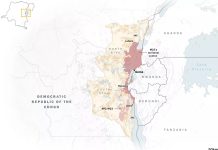
For eastern Congo, the implications of Uganda’s new policy are immediate and practical. The border corridor between the DRC and Uganda, particularly through Kasindi and Bunagana in North Kivu, is one of the most commercially active crossing points in the Great Lakes region. Congolese traders, business travelers, and families with ties on both sides of the border have long navigated a complex entry process. The extension of visa-free status to Congolese nationals stands to reduce friction and cost along this vital economic artery.
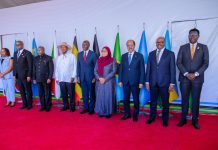
The broader regional picture is equally significant. Uganda’s policy announcement comes as the East African Community continues to pursue deeper economic integration, including ongoing negotiations over a common market framework that would allow for free movement of people, goods, and capital across member states. Visa liberalization, even when implemented unilaterally, is widely seen as a building block for that longer-term vision.
John Walugembe, executive director of Uganda’s Federation of Small and Medium-sized Enterprises, welcomed the policy, saying reduced travel barriers would help Ugandan and regional businesses explore new markets and build international networks. The hospitality, aviation, and cross-border retail sectors are all expected to see increased activity as easier travel translates into more visitors.
Whether the policy achieves its ambitious aims will depend on factors beyond the visa regime itself, infrastructure, security perceptions, and the broader political environment, all of which shape travel decisions. But as a statement of intent, Uganda’s move is clear: the Pearl of Africa is open, and it is looking east and south for the travelers it hopes will come.